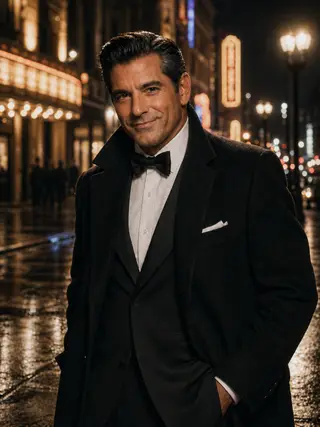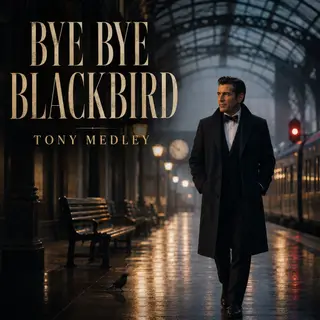
Bye Bye Blackbird: Tony Medley Looks Towards What Comes Next
Tony Medley closes the pre-album chapter of Only The Best with Bye Bye Blackbird, an enduring standard that turns departure into possibility and reflection into the quiet confidence to move forward.
Eventually, every evening reaches the point when somebody has to leave.
For Tony Medley, that moment arrives with Bye Bye Blackbird.
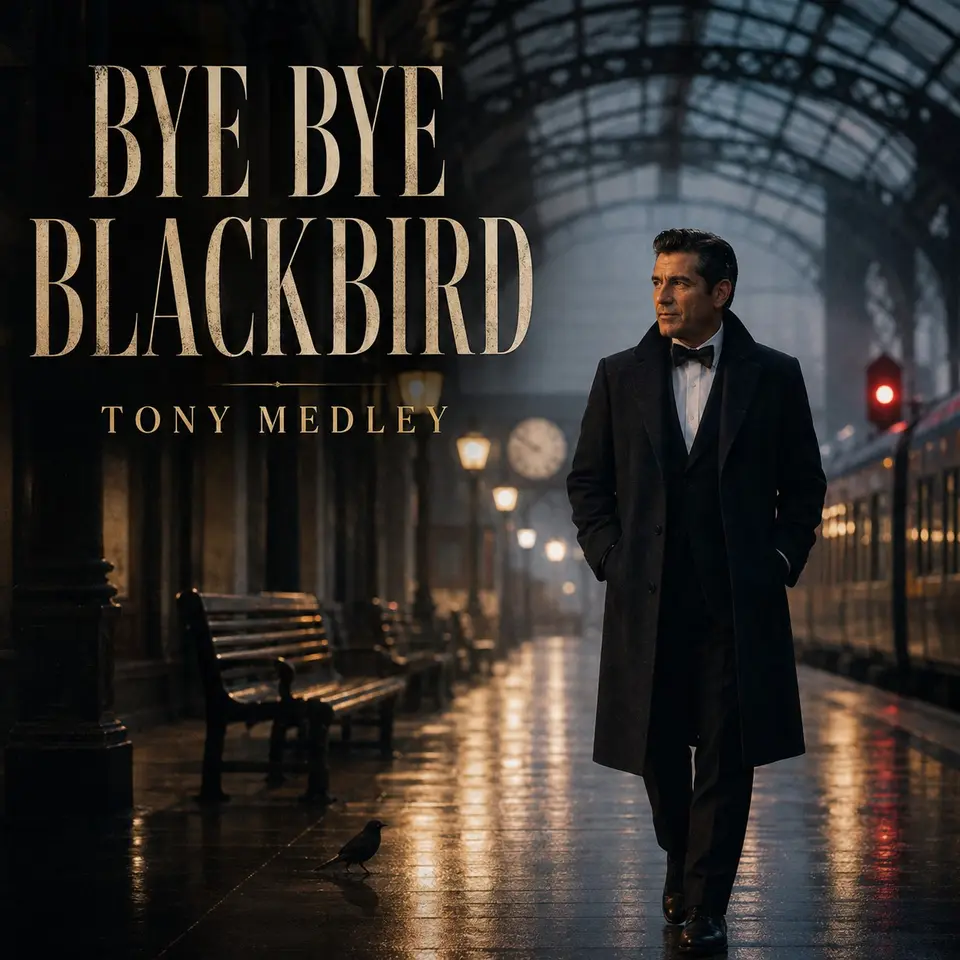
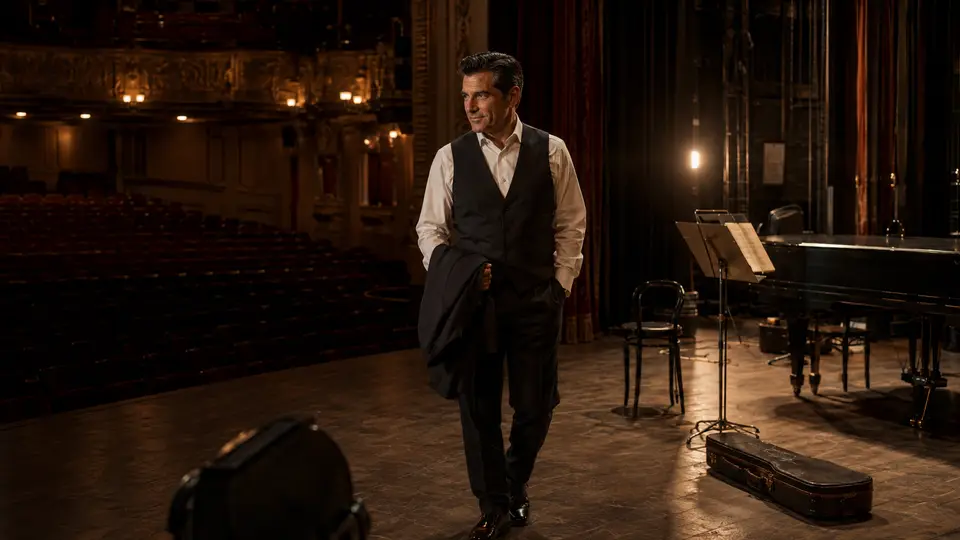
The fourth and final single before Only The Best changes the setting once again. The crowded room has emptied, the lights have softened and Tony is no longer arriving for the evening. He is heading somewhere else.
Beneath the familiarity of the song lies an idea that gives it lasting emotional weight: leaving does not always mean losing.
Sometimes it means deciding that something better might be waiting ahead.
Knowing When to Leave
Bye Bye Blackbird carries sadness in its luggage, but it is not ultimately a song of defeat.
Its narrator has had enough of trouble, misunderstanding and the feeling of being somewhere he no longer belongs. There is someone waiting elsewhere, and that possibility is enough to make departure feel less like escape and more like direction.
That distinction gives Tony a different emotional role from the ones we have seen already.
When You’re Smiling introduced the optimist.
Stardust revealed the romantic looking backwards.
Ain’t She Sweet brought out the social charmer.
Bye Bye Blackbird finds the man who has made up his mind.
There is melancholy in leaving, but there can also be tremendous relief in finally knowing where you want to go.
Tony does not need to make that decision sound dramatic. The strength comes from the composure of it.
Departure Without Defeat
Classic songs often survive because their emotional meaning can shift subtly depending on who is singing them.
Bye Bye Blackbird can carry loneliness. It can carry resignation. It can even sound defiant.
Within Tony Medley’s debut world, its most interesting quality is hope.
The troubles being left behind matter, but they are not the final destination. The song keeps looking beyond them towards the promise of warmth, companionship and somewhere that feels more welcoming.
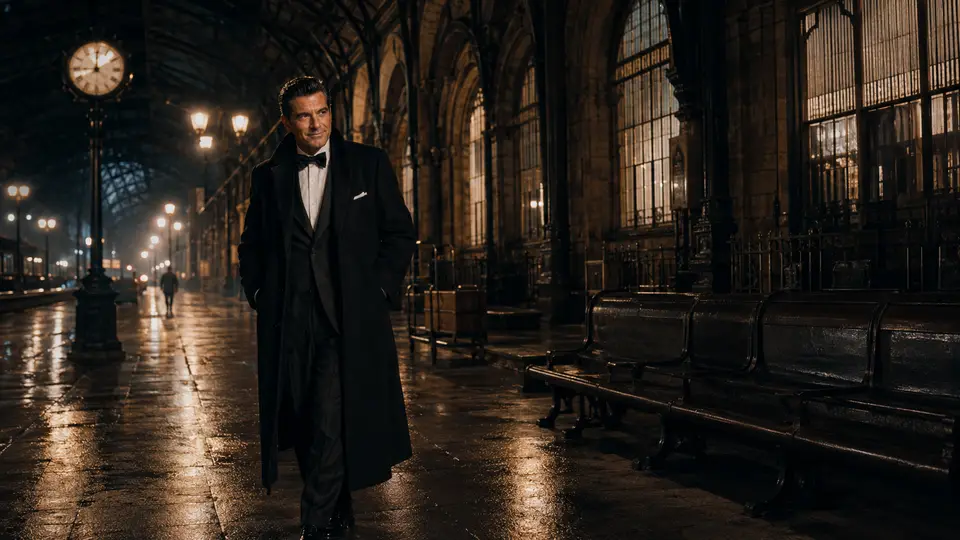
That sense of movement separates the single from the more stationary romance of Stardust.
Memory looked backwards.
This time, Tony keeps walking.
The Sound of Restraint
Bye Bye Blackbird also suits the less obvious strength of Tony’s crooner identity: restraint.
The lyric already contains its own emotional contrast. Weariness sits beside optimism. Loneliness exists alongside the knowledge that someone is waiting.
There is little need to exaggerate either side.
Instead, the song works through phrasing, space and the gradual feeling of emotional release. The familiar melody carries the listener forward while the performance gives that movement its character.
That balance matters throughout Only The Best.
Tony’s world is polished, but the polish is never supposed to remove the humanity. A great standard should still sound as though somebody has something to say.
Here, what Tony has to say is simple.
It is time to go.
The Last Stop Before the Album
As the final pre-album single, Bye Bye Blackbird brings the opening campaign into focus.
The four releases have deliberately avoided presenting Tony as a single fixed crooner archetype.
There has been warmth, longing, flirtation and now departure.
The next step is Only The Best itself, where those different qualities sit alongside My Blue Heaven, Carolina in the Morning, Side By Side and I’m Sitting on Top of the World.
Those songs broaden the picture again, bringing home, companionship, optimism and romantic escapism into the same collection.
Bye Bye Blackbird therefore feels less like an ending than a threshold.
The singles have introduced Tony one side at a time.
The album brings those sides together.
Somewhere, Someone Waits
There is a reassuring idea at the centre of Bye Bye Blackbird.
Leaving becomes easier when there is something worth moving towards.
That might be a person. It might be a place. It might simply be the belief that the next chapter will feel more like home than the last one did.
For Tony Medley, it is also an appropriate final thought before his debut album arrives.
The introduction is over.
The room is behind him.
And somewhere ahead, the rest of Only The Best is waiting.
A Standard That Changed Shape
Written by Ray Henderson and Mort Dixon in 1926, “Bye Bye Blackbird” first became a major popular hit through Gene Austin’s recording. In later decades jazz musicians discovered new possibilities inside it: Miles Davis recorded the song with John Coltrane for ’Round About Midnight, turning a Tin Pan Alley favourite into a vehicle for spacious, searching improvisation.
Those very different lives explain the song’s durability. Tony Medley returns to its direct emotional promise—a farewell to trouble and a journey towards welcome—while allowing the arrangement to carry the accumulated weight of a standard that has travelled far beyond its first moment.
Summary
Bye Bye Blackbird closes Tony Medley’s pre-album single campaign with a reflective but hopeful take on departure and renewal. As the fourth single from Only The Best, it adds dignity, movement and quiet optimism to the growing portrait of Tony’s classic crooner world.